HVAC Installation & Replacement
Upgrade your home’s comfort with expertly installed heating and cooling systems built for performance and peace of mind.
System Failure and Inefficient Climate Control Require Immediate Action
When your central air conditioning or heating unit fails during peak weather, your home quickly becomes uncomfortable and potentially unsafe due to rising or freezing temperatures. You need a solution that addresses the root cause of the breakdown rather than a temporary patch that leads to further issues down the road. Contact us immediately at (636) 337-2150 to schedule a comprehensive assessment for your system upgrade.
Sheet Metal Contractors, Inc. provides the technical expertise needed to restore your environment without unnecessary delays. We focus on getting your system running at optimal capacity, ensuring that your investment translates into long-term comfort and energy savings.
- Immediate scheduling options to minimize downtime during extreme weather events.
- High-efficiency equipment installed by NATE-certified technicians.
- All installations are fully licensed, adhere to local codes, and come with comprehensive manufacturer warranties.
Comprehensive Installation Scope and Equipment Options
A successful HVAC installation goes far beyond simply swapping out a box outside your home. It requires a holistic approach that considers the entire thermal envelope of your property. When you commission a replacement, the goal is to install a system that manages temperature, humidity, and air quality more effectively than the previous unit. Modern systems operate with higher SEER2 (Seasonal Energy Efficiency Ratio) and HSPF2 (Heating Seasonal Performance Factor) ratings, which drastically reduce the electrical load required to condition your home.
Residents across the metropolitan area face distinct climate challenges, from sweltering urban heat islands to freezing winter lows. To combat this, we offer a range of equipment tailored to specific structural needs.
- Split Systems: The most common configuration, featuring an outdoor compressor/condenser and an indoor evaporator coil/furnace. These are ideal for homes with existing ductwork and provide powerful, whole-home climate control.
- Hybrid Heat Pumps: These systems alternate between electric capabilities and gas furnace support. In moderate temperatures, the electric heat pump is highly efficient. When the temperature drops significantly, the system switches to gas to maintain warmth without spiking electricity costs.
- Ductless Mini-Splits: For room additions or older homes without ductwork, these units allow for zoned cooling and heating. They eliminate energy loss associated with leaky ducts and provide precise control over individual zones.
- Packaged Units: In scenarios where indoor space is limited, such as in certain urban row homes or properties with crawl spaces, packaged units contain all components in a single outdoor footprint.
The scope of a standard replacement includes the safe recovery of old refrigerant, the physical removal and disposal of existing equipment, and the modification of the transition plenum to fit the new unit. We also inspect the existing ductwork to ensure it can handle the airflow requirements of high-efficiency equipment. If the ducts are undersized or leaking, a high-performance unit will never reach its rated efficiency.
The Installation and Replacement Process
We utilize a rigorous, standardized workflow to ensure every installation meets manufacturer specifications and local building codes. This process eliminates guesswork and ensures that the system performs correctly from the moment it is powered on. We do not skip steps, as proper commissioning is vital for the longevity of the compressor and heat exchanger.
Load Calculation and Sizing:
Before any equipment is ordered, technicians perform a Manual J load calculation. This determines the exact heating and cooling output required based on square footage, window direction, insulation levels, and local climate data. Oversized units cycle on and off too frequently (short-cycling), which fails to remove humidity and wears out parts. Undersized units run continuously without ever reaching the set temperature.
Site Preparation and Protection:
Technicians prepare the workspace to protect flooring and surrounding property. This includes laying down drop cloths and ensuring a clear path for moving heavy machinery. Safety protocols are established to handle electrical disconnects and gas line shut-offs.
System Removal and Disposal:
The existing unit is disconnected. EPA-certified procedures are used to capture old refrigerant, preventing environmental contamination. The old equipment is removed from the premises and recycled according to local regulations.
Equipment Positioning and Connection:
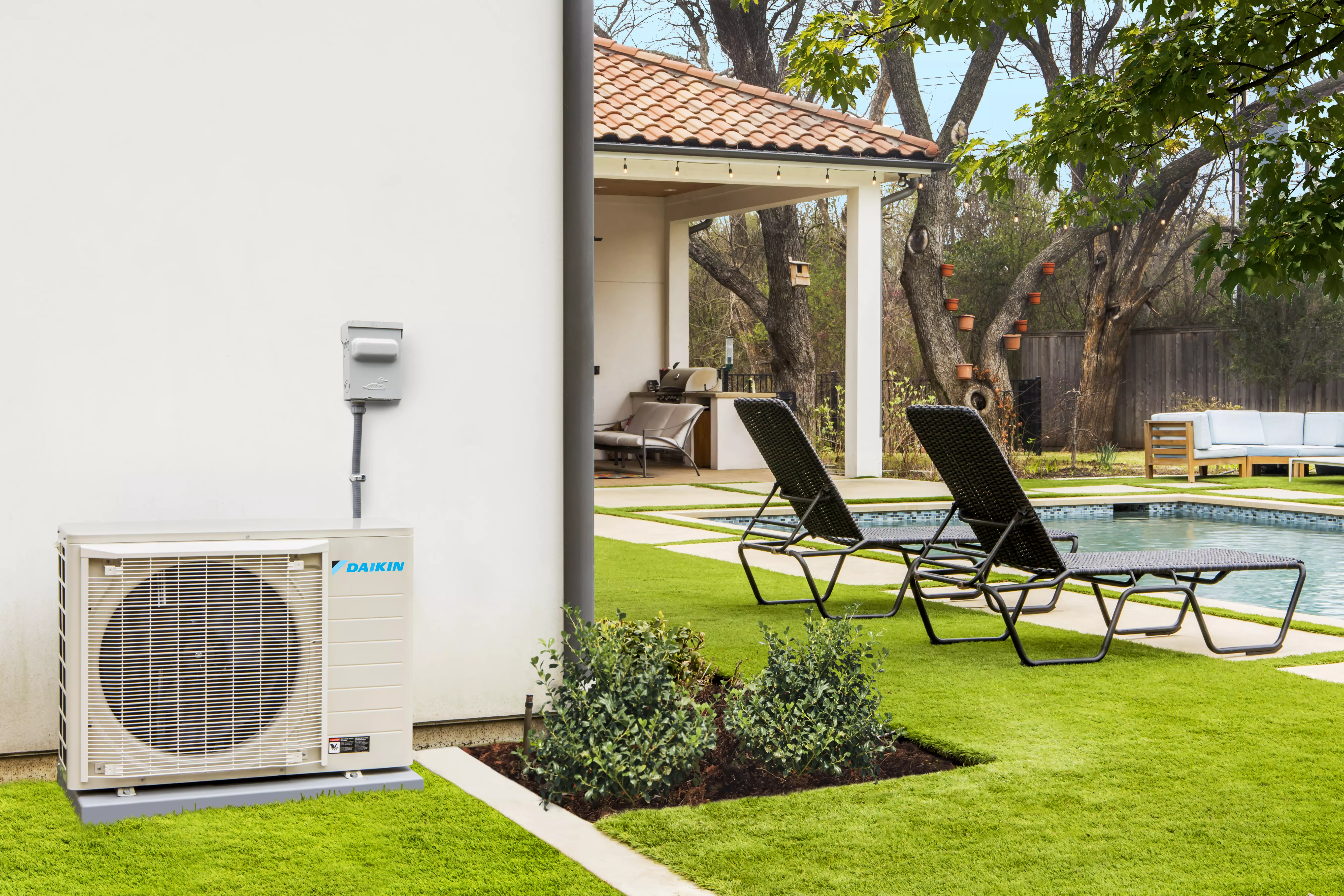
The new condenser or heat pump is leveled on a composite pad or bracket to minimize vibration and noise. Indoor components, such as the air handler or furnace, are secured. Refrigerant lines are brazed with nitrogen purging to prevent oxidation inside the copper tubing—a critical step for preventing future blockages.
Electrical and Drainage Integration:
High-voltage wiring is connected to the disconnect box, and low-voltage control wiring is run to the thermostat. Condensate drain lines are installed with safety switches to prevent water damage if a clog occurs.
System Commissioning and Testing:
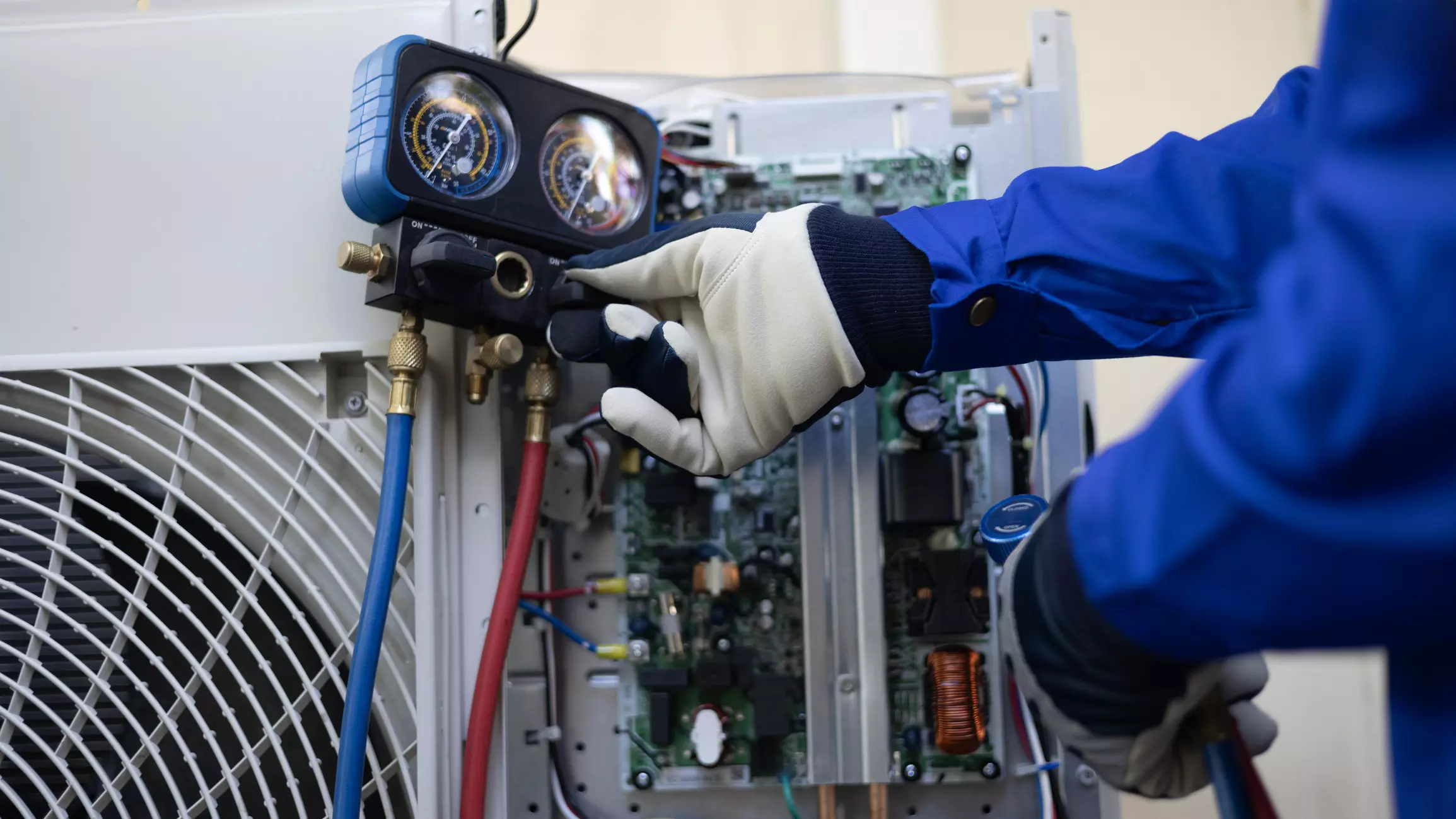
Once connected, the system is pressure-tested for leaks. A vacuum is pulled to remove moisture from the lines before releasing the refrigerant. Technicians then measure static pressure, airflow, and temperature splits to verify the system is operating within the manufacturer’s design parameters.
Owner Walkthrough:
The final step involves demonstrating the operation of the new thermostat, explaining filter maintenance schedules, and reviewing warranty documentation.
Critical Decision Guide: Repair or Full Replacement?
Deciding between repairing an aging unit and investing in a new system is a financial and logical calculation. While repairs may seem cheaper upfront, sinking money into a dying system often costs more over a three-to-five-year period. Understanding the lifecycle of HVAC equipment helps homeowners make informed decisions before a catastrophic failure occurs.
Sheet Metal Contractors, Inc. assists in evaluating the condition of your current setup to provide data-backed recommendations.
The 50% Rule:
If the cost of the repair approaches 50% of the value of a new system, replacement is generally the smarter financial move. Major component failures, such as a blown compressor or a cracked heat exchanger, often fall into this category.
Equipment Age:
The average lifespan of a central air conditioner or heat pump is 10 to 15 years, while furnaces may last 15 to 20 years. If your equipment is over 10 years old and requires a significant repair, the technology is likely obsolete, and parts may be difficult to source.
Rising Energy Bills:
As components wear out, motors work harder, and coils foul, efficiency drops. If utility bills have increased steadily despite normal usage, the system is losing its ability to transfer heat effectively. New systems can reduce cooling costs by 20% to 40% immediately.
Refrigerant Type:
Older systems utilize R-22 (Freon), which has been phased out due to environmental regulations. R-22 is becoming prohibitively expensive and scarce. If an older unit develops a refrigerant leak, topping it off is often not a viable option financially. Modern systems use R-410A or newer, eco-friendly refrigerants.
Comfort Consistency:
Issues such as hot and cold spots, excessive dust accumulation, or high humidity levels inside the home indicate that the current system is no longer capable of maintaining the desired indoor environment.
Navigating Local Climate Demands and Regulations
Installing HVAC equipment involves navigating a complex web of local building codes, permit requirements, and regional climate considerations. Major urban centers and their surrounding suburbs enforce strict regulations to ensure safety and energy efficiency.
Permitting and Inspections:
Most municipalities require a building permit for HVAC replacements. This ensures that the electrical connections meet safety standards and that gas lines are properly sized and sealed. A third-party municipal inspection is often required post-installation. We handle the entire permitting process, ensuring your installation is fully compliant and that your home insurance remains valid.
Urban Heat Island Effect:
Densely populated areas often experience higher temperatures than rural surroundings due to concrete and asphalt absorbing heat. This "Urban Heat Island" effect means that systems in the city must be sized correctly to handle higher ambient temperatures during the summer. We account for this additional thermal load when selecting condensers.
Humidity Control:
In regions with high humidity, standard cooling is not enough. We prioritize variable-speed air handlers and two-stage compressors that run for longer cycles at lower speeds. This extended run time effectively pulls moisture from the air, preventing mold growth and increasing the comfort index inside the home.
Heating Efficiency:
For areas that experience freezing winters, the efficiency of the heating element is paramount. We assess the AFUE (Annual Fuel Utilization Efficiency) rating of furnaces to ensure that 80% to 98% of the fuel you pay for is actually converted into heat for your living space.
Why Professional Implementation Matters: Call Us
The most advanced HVAC equipment on the market will fail if installed incorrectly. A significant percentage of premature system failures are directly attributed to installation errors, such as improper refrigerant charging, poor duct sealing, or incorrect electrical wiring. Professional installation safeguards your manufacturer’s warranty, as most brands require proof of professional installation to honor claims.
We prioritize safety above all else. Handling high-voltage electricity, combustible gases, and high-pressure refrigerants requires specialized training and tooling. Our teams are equipped with digital gauges, micron gauges, and combustion analyzers to verify safe operation. We also ensure that your property is left clean, with all debris and old equipment removed.
Upgrading your heating and cooling system is a major investment in your property’s value and your family’s quality of life. By choosing a provider that prioritizes technical accuracy and code compliance, you ensure that this investment pays dividends for years to come.
Secure your home’s comfort with a system designed for longevity and performance. Contact Sheet Metal Contractors, Inc. today to schedule your consultation and take the first step toward a more efficient, comfortable home.
More
services

our service
areas