Furnace Repair in Murphy, MO
Get dependable furnace repair in Murphy MO with Sheet Metal Contractors, Inc. Fast, affordable solution to restore comfort. Call for expert repair service!

A malfunctioning furnace can turn a chilly Missouri night into an urgent problem. Whether your home has a newer high-efficiency unit or an older gas furnace, timely furnace repair in Murphy, MO preserves comfort, safety, and long-term system value. As a family-owned, St. Louis union-based HVAC contractor, Sheet Metal Contractors, Inc. focuses on practical diagnostics and durable repairs that address root causes common to homes in the St. Louis region.
Why Timely Furnace Repair Matters in Murphy, MO
Murphy experiences cold winters and temperature swings that put repeated stress on heating systems. Extended run times during cold snaps increase wear on ignition systems, blower motors, and safety switches. Humidity and seasonal allergens can clog filters and reduce airflow, leading to overheating or inconsistent heating. Prompt furnace repairs from Sheet Metal Contractors, Inc. reduce the risk of carbon monoxide exposure, inefficient operation, and premature system replacement.
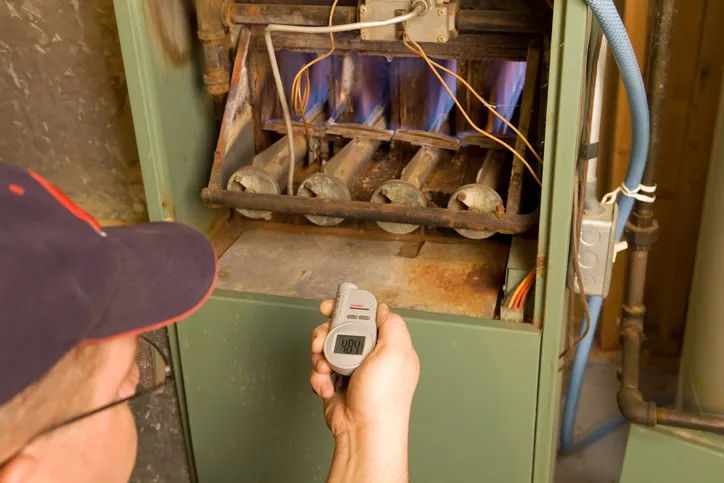
Common Furnace Repair Issues in Murphy, MO Homes
- Ignition failure or intermittent ignition: Modern furnaces use electronic ignitors or hot surface igniters. Symptoms include repeated clicking without ignition, or the furnace cycling off shortly after starting.
- Blower motor problems: Weak airflow, strange noises, or the fan failing to start often point to a failing motor, bad capacitor, or worn belts.
- Thermostat faults and poor calibration: Incorrect temperature readings or short cycling may be caused by an uncalibrated or failing thermostat, bad wiring, or improper placement.
- Clogged air filters and restricted airflow: Dirty filters and blocked return vents cause reduced heat output, overheating, and tripped limit switches.
- Control board and electrical failures: Burned or corroded circuit boards, relay failures, and loose connections can cause intermittent operation or complete shutdown.
- Faulty flame sensor or gas valve: A dirty flame sensor or malfunctioning gas valve can cause shutdowns after ignition or failure to maintain a flame.
- Inducer motor and pressure switch faults: Problems in the venting system or inducer motor failures can trigger safety switches that prevent furnace start.
- Heat exchanger damage: Cracked heat exchangers are a safety concern and require careful inspection; repairs or replacements depend on the extent of damage.
How We Diagnose Furnace Problems
A systematic diagnostic approach identifies the true cause rather than treating symptoms.
- Visual and safety inspection: Check combustion chamber, venting, and visible wiring for damage or corrosion.
- Filter and airflow assessment: Inspect filters, duct registers, and blower wheel for debris or blockages.
- Electrical testing: Use multimeters to verify voltage, capacitors, motor draws, and control board signals.
- Ignition and flame diagnostics: Observe ignition sequence, test ignitor resistance, and verify flame sensor operation.
- Combustion and venting check: Evaluate exhaust venting, inducer motor operation, and pressure switches for proper draft.
- Thermostat and control verification: Confirm thermostat calibration, wiring, and communication with the furnace.
- Safety system evaluation: Test limit switches, rollout switches, and carbon monoxide safety measures when applicable.
Each step narrows the issue so repairs address the core problem and reduce repeat calls.
Typical Furnace Repairs and Parts We Service
- Ignitor replacement: Hot surface ignitors and electronic ignitors are fragile and commonly replaced when cracked or burnt.
- Flame sensor cleaning/replacement: Cleaning often restores operation; replacement is required when pitting is present.
- Blower motor and capacitor repair: Motors, bearings, and capacitors are replaced when noise, weak airflow, or failure are evident.
- Control board repair or replacement: Boards are evaluated for burn marks or faulty relays and swapped when necessary.
- Gas valve servicing: Gas valves are checked for proper operation; repairs require precise testing and safety protocols.
- Thermostat replacement or calibration: Upgrading to a modern thermostat or calibrating the current one can resolve temperature cycling issues.
- Inducer motor and pressure switch repair: Clearing vent obstructions or replacing failed inducer motors restores proper draft.
- Heat exchanger evaluation: Minor cracks may be assessed for repair, but many cases require replacement due to safety considerations.
- Airflow restoration: Cleaning the blower wheel, replacing filters, and addressing duct restrictions improves system performance.
What to Expect for Repair Timelines
- Minor repairs like cleaning a flame sensor, replacing a filter, or swapping a thermostat can often be completed within a few hours.
- Component replacements such as ignitors, capacitors, or blower motors typically require a same-day visit when parts are on hand.
- More complex jobs—control board replacement, gas valve work, or heat exchanger evaluation—may take a full day or require ordering parts that extend the timeline by a day or two.
- Safety-critical repairs that affect combustion or heat exchangers receive priority and careful testing before returning the system to service.
Timeline depends on part availability, system age, and access to the unit. Technicians follow strict safety and testing steps before declaring a furnace serviceable.
Repair vs Replacement: Decision Factors
- Age of the furnace: Older units are more likely to face multiple concurrent failures.
- Frequency and cost of recent repairs: Recurring failures often indicate that replacement will be more reliable long term.
- Efficiency and expected lifespan: Newer high-efficiency units reduce energy use and may justify replacement if performance has declined.
- Safety concerns: Cracked heat exchangers or recurring combustion issues often necessitate replacement for safety reasons.
A professional diagnosis will outline these factors so homeowners can make an informed decision.
Preventive Tips to Avoid Future Furnace Failures
- Replace or clean filters every 1 to 3 months during heavy use seasons.
- Keep return vents and supply registers clear of furniture, drapes, and dust buildup.
- Schedule annual heating tune-ups before the heating season to catch wear early.
- Install a carbon monoxide detector near sleeping areas and test it regularly.
- Maintain clear venting and outdoor exhaust paths to prevent pressure switch faults.
- Consider thermostat upgrades or zoning controls to reduce short cycling and wear.
Benefits of Professional Furnace Repair in Murphy, MO
Professional, union-trained technicians combine local experience with safety-oriented procedures. Prompt, accurate furnace repair restores comfort quickly, prevents collateral damage to ducts and components, and addresses safety risks common in colder Missouri winters. A thorough repair and maintenance approach extends system life and preserves heating efficiency for years.
When furnace issues arise in Murphy, MO, addressing them quickly and with experienced technicians protects your home, comfort, and peace of mind.
Trust Sheet Metal Contractors, Inc. for Expert Furnace Repair in Murphy, MO
At Sheet Metal Contractors, Inc., we know that when your furnace fails, you need reliable solutions backed by local expertise. As a trusted, family-owned, union-based HVAC contractor, we prioritize safety, efficiency, and long-lasting repairs. Whether you’re facing a small repair or considering a full replacement, our team is here to guide you with honest recommendations and dependable service. Don’t let furnace troubles disrupt your comfort—contact us today to schedule your repair. Want proof of our commitment to quality? See what your neighbors are saying on our customer reviews page.
our service
areas